
Our Approach
When you have persistent back, neck or nerve symptoms, it can become surprisingly difficult to know what to do next.
You may already have seen several practitioners. You may have an MRI report full of unfamiliar terminology. You may have been told you need surgery, told nothing serious is wrong, or simply moved from one treatment to another without anyone properly explaining how the pieces fit together.
Auckland Disc Clinic was developed for exactly these kinds of presentations.
Our approach is simple:
Understand the problem first. Treat only when there is a sensible reason to do so. Measure the response. Change direction when necessary.
Complex Spinal Problems Need More Than a Generic Treatment Plan
Disc and nerve problems are rarely as simple as identifying an abnormality on an MRI and treating it.
A patient may have a disc protrusion, degenerative narrowing, facet joint changes and an old spondylolisthesis visible on the same scan.
Not every finding is necessarily causing symptoms.
Our job is to determine which findings matter, whether they correspond with the patient's symptoms and neurological examination, and whether conservative treatment has a reasonable role.
That means considering:
where your symptoms are occurring
whether pain travels into an arm or leg
strength, sensation and reflexes
how symptoms change with movement or position
previous injuries and treatment
how long the problem has been present
relevant X-ray, CT or MRI findings
Sometimes the answer is relatively straightforward.
Sometimes it isn't.
We are comfortable with both.
Assessment Before Treatment
We do not believe every patient with a disc problem should automatically receive spinal decompression.
Your first visit is an Initial Disc Assessment, not a decompression appointment.
The purpose is to understand what appears to be happening and decide what the most appropriate next step should be.
That may include:
spinal decompression
specific chiropractic or manual care
a combination of approaches
further imaging
medical or specialist referral
or, sometimes, no treatment at all
We would rather explain why a particular treatment is unlikely to help than put somebody through a programme simply because the equipment is available.
Conservative Care When It Makes Sense
Where the clinical picture supports it, our treatment options may include non-surgical spinal decompression and specific chiropractic techniques.
Auckland Disc Clinic uses the Core MT spinal decompression system for both cervical and lumbar treatment.
The settings, positioning and progression are selected according to the individual presentation rather than using the same programme for everyone.
Some patients notice symptomatic change relatively early.
Others, particularly those who have had a problem for months or years, may require considerably more time.
The objective is not to promise a perfect spine or a perfect MRI.
It is to reduce mechanical irritation where possible, improve symptoms and help people regain function.
Knowing When Not to Treat Matters
Good conservative care also means recognising its limits.
Some disc and spinal presentations are not appropriate for decompression or chiropractic management.
Progressive neurological loss, significant weakness, cauda equina symptoms, unstable pathology and some severe or sequestrated disc presentations may require medical or surgical assessment.
We have referred patients for specialist care when we believe that is the more appropriate pathway.
That is not a failure of conservative treatment.
It is part of making a responsible clinical decision.
Experience Matters
Auckland Disc Clinic operates within Dynamic Chiropractic Remuera, established in 2003.
Dr David Kay has spent more than two decades working with spinal and musculoskeletal problems and has extensive experience using a range of chiropractic approaches including Thompson Technique, flexion-distraction and disc-specific care.
The clinic also has on-site digital X-ray facilities, allowing imaging to be obtained where clinically appropriate.
The addition of spinal decompression has not replaced that experience.
It has given us another option for selected disc and nerve presentations where reducing mechanical loading may form part of a broader conservative approach.
The technology matters.
Knowing when and how to use it matters more.
We Want You to Understand What Is Happening
One of the most frustrating parts of a complicated spinal problem can be receiving multiple opinions without ever feeling that somebody has clearly explained what is going on.
We want patients to understand:
what we think is causing the symptoms
what the scan does — and does not — tell us
what treatment is intended to achieve
what improvement would look like
how long-standing problems may behave differently
and what we will do if treatment is not producing enough change
You should not need to become an expert in spinal imaging before you walk through the door.
That is our job.
Start With an Initial Disc Assessment
If you are dealing with persistent back, neck, arm or leg symptoms, or you have imaging showing a disc or degenerative spinal problem and are unsure what to do next, start with an assessment.
Your 30-minute Initial Disc Assessment with Dr David Kay includes your history, neurological and orthopaedic examination, review of relevant imaging where available and a discussion of the most appropriate next step.
Initial Disc Assessment — $130
Treatment is not included in the initial assessment.
Dr David Kay
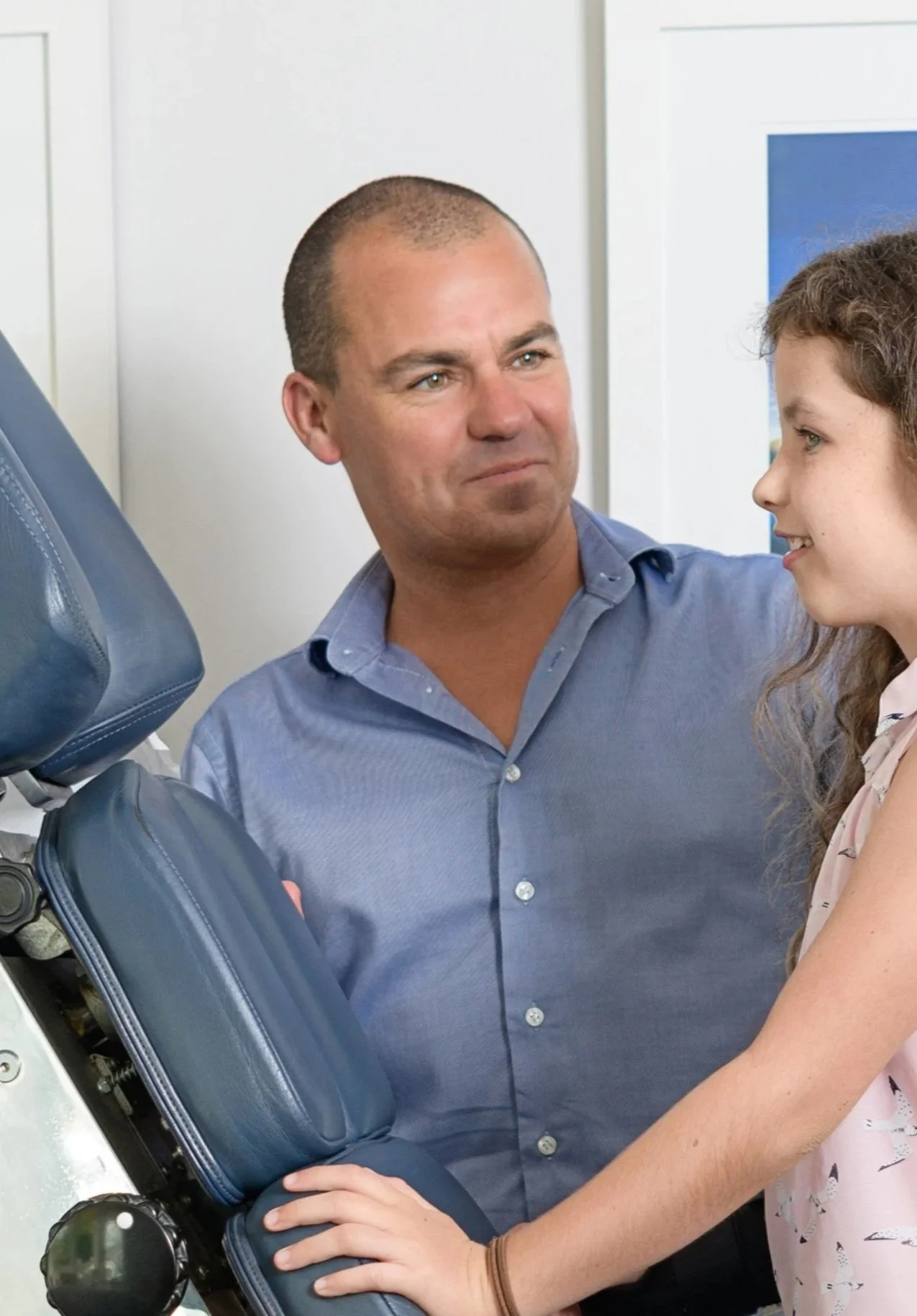
Dr David Kay BSc(Syd), BChiro(NZ)
David is the founder of Auckland Disc Clinic in Remuera, operating under the Dynamic Chiropractic umbrella. Registered in both New Zealand and Australia, he brings nearly 20 years of clinical experience to people dealing with persistent neck and lower back pain, disc bulges, nerve-related symptoms, and spinal conditions that haven’t responded to previous treatment.
His focus is structured, non-surgical spine care. He works with people who want a measured, evidence-informed approach — whether they’re acting early, looking to avoid unnecessary escalation, or seeking support when surgery isn’t appropriate.
At Auckland Disc Clinic, David uses precise, disc-specific techniques including Flexion Distraction and New Zealand’s first Vert Biotech automated spinal decompression system. Care is controlled, progressive, and tailored to the individual — particularly for those who need a thoughtful and structured pathway forward.
Patients often value his ability to connect the clinical findings with real life — work demands, family responsibilities, sleep, and movement goals. Every plan is built around clear outcomes and meaningful progress, with education forming a central part of the process.
Outside the clinic, David is a husband and father of two daughters who understands the importance of staying active and independent. That perspective shapes his care: practical, considered, and focused on helping people return to life with strength and confidence.
Dr Sheridan Kay (Chiro)
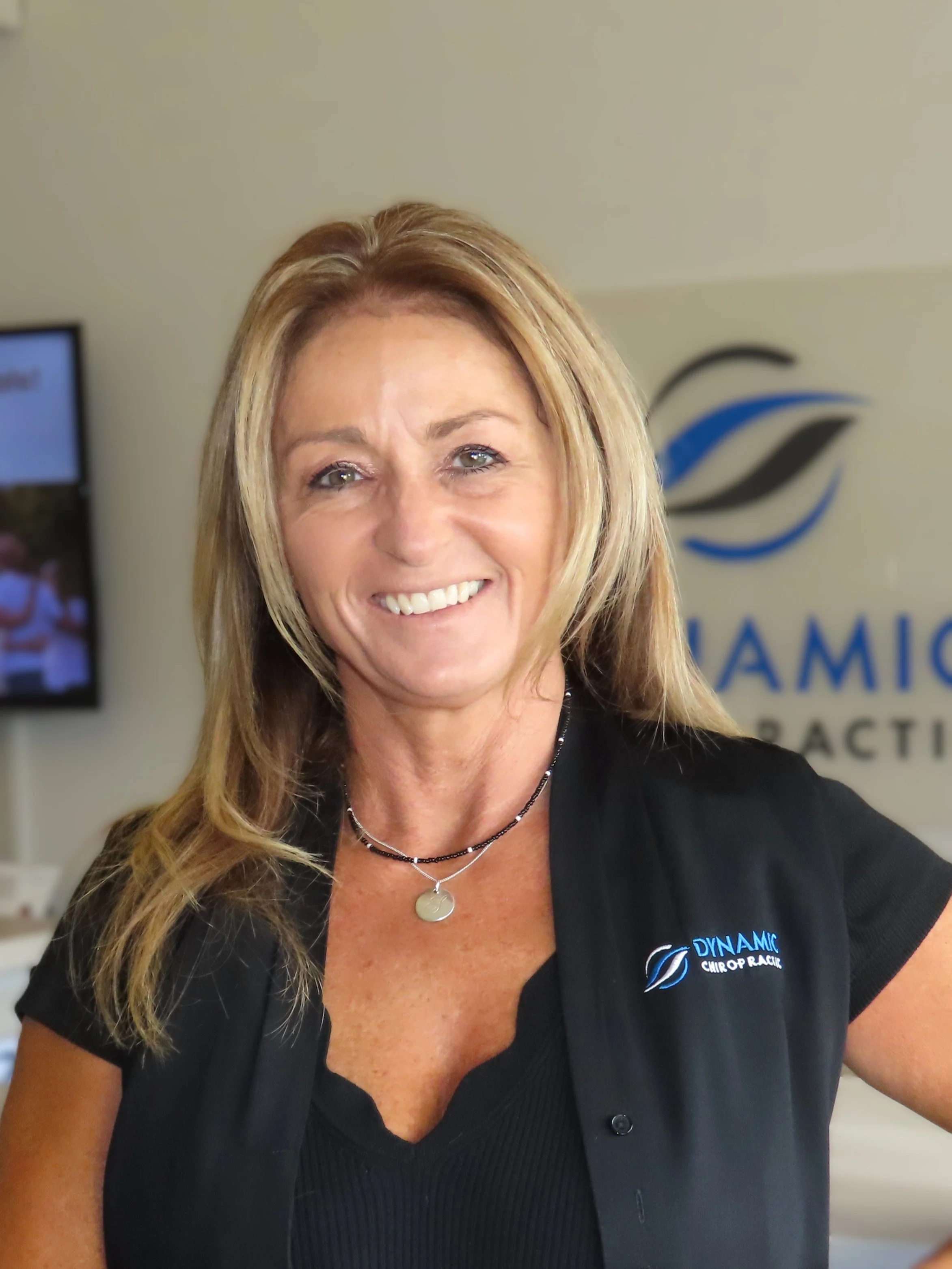
If you’ve ever met Dr Sheridan Kay, you’ll know one thing straight away — she’s not someone who sits still for long.
Sheridan has always been active, engaged, and full of energy. She’s the kind of person people naturally gravitate toward — warm, present, and genuinely interested in those around her. That energy is exactly what makes her such a trusted and loved chiropractor.
Chiropractic is quite literally in her blood. Sheridan is the 9th chiropractor in her extended family, with her father being one of Victoria’s busiest chiropractors in his time. Helping people wasn’t a career she stumbled into — it was something she was always destined to do. After more than 30 years in practice, that sense of purpose is as strong as ever.
Sheridan’s care is centered on people and their lives — not just symptoms. She truly wants people to feel good in their bodies, confident in their movement, and free to enjoy and maximise their existence. She listens, she cares deeply, and she supports people in a way that feels personal, honest, and empowering.
Patients often say they feel instantly at ease with Sheri. She’s warm, reassuring, and easy to talk to — someone who makes you feel heard, supported, and confident in the path forward.
Outside the clinic, Sheridan is a wife and mum to two daughters and lives the values she brings into practice: stay moving, stay connected, and make the most of life. Her work reflects that belief — helping people not just recover, but truly love their lives again in comfort.