
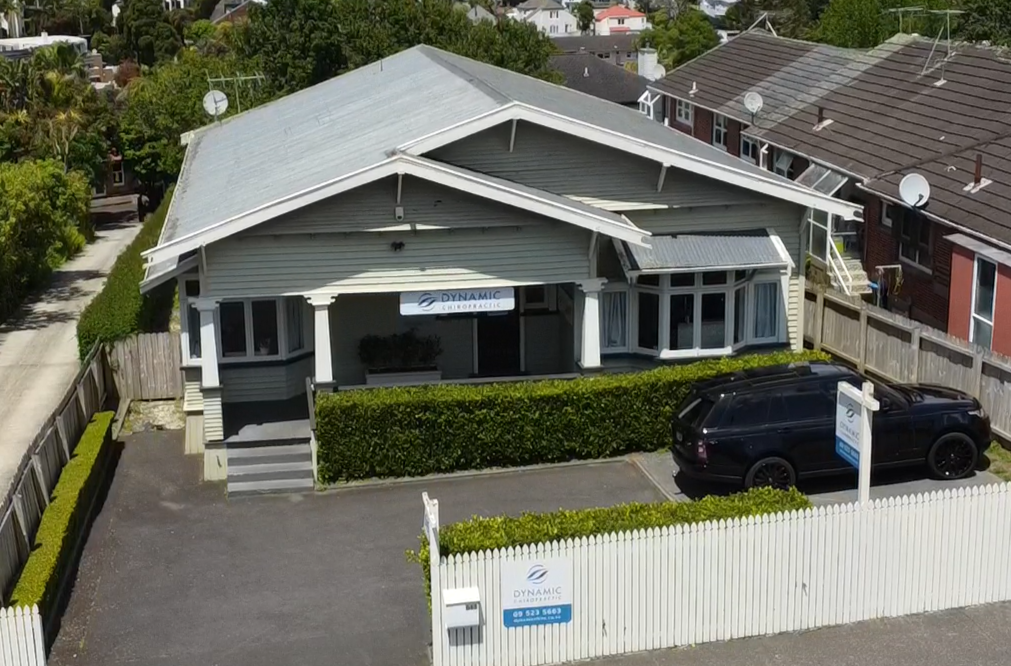
Referral Information
Auckland Disc Clinic provides assessment and conservative management for selected patients with cervical or lumbar disc and nerve-related presentations.
We commonly see patients with:
disc bulge, protrusion or herniation
cervical or lumbar radiculopathy
sciatica
foraminal narrowing
degenerative disc and joint changes
selected spinal stenosis presentations
stable spondylolisthesis
persistent spinal symptoms where imaging and clinical findings need to be reconciled
Our focus is not simply spinal decompression.
The first question is whether the patient's history, neurological findings and imaging support conservative management at all.
Where they do not, we are comfortable recommending further investigation or referral back for medical or surgical assessment.
Dr David Kay — B.Sc. (University of Sydney), B.Chiro. (NZCC)
Dr Sheridan Kay — Chiropractor
Auckland Disc Clinic
649 Remuera Road, Remuera, Auckland 1050
09 523 5663
Our Referral Approach
Referred patients begin with a dedicated clinical assessment.
This may include:
detailed history
orthopaedic and neurological examination
motor, sensory and reflex testing where indicated
review of existing MRI, CT or X-ray imaging
assessment of mechanical and positional symptom behaviour
on-site digital X-ray where clinically appropriate
We are particularly interested in whether the anatomical findings correlate with the patient's clinical presentation.
A significant-looking MRI does not necessarily indicate a poor conservative prognosis, just as a relatively modest imaging finding can be highly symptomatic when it compromises the appropriate nerve structure.
Treatment is recommended only where the clinical picture supports it.
Where Spinal Decompression May Fit
Non-surgical spinal decompression may be considered in selected patients where disc or foraminal pathology appears to be contributing to nerve irritation or mechanical symptoms.
Our Core MT system provides controlled cervical or lumbar distraction with treatment parameters adjusted according to the individual presentation and response.
Potential presentations include selected cases of:
lumbar disc herniation with radicular symptoms
cervical disc-related arm symptoms
foraminal narrowing
chronic discogenic presentations
degenerative loss of disc height
stable longstanding spondylolisthesis
It is not appropriate for every disc lesion or every patient with an abnormal MRI.
In particular, significant or progressive neurological deficit, unstable pathology, cauda equina features and some sequestrated disc presentations may require further medical or surgical assessment rather than continued conservative care.
Treatment Is Response-Led
We do not use a predetermined number of visits for every patient.
Treatment is progressed according to:
symptom response
neurological findings
functional change
tolerance of decompression
duration and chronicity of the presentation
whether improvement is being maintained between visits
Some patients demonstrate symptomatic change relatively early.
Longstanding presentations often require more time.
Where an initial response is encouraging, a structured programme may be recommended. Progress is reviewed rather than treatment simply continuing because a programme has been started.
Where decompression is producing insufficient meaningful change, the approach is reconsidered.
Decompression May Be Combined With Other Care
In selected patients, decompression may be combined with specific chiropractic management including flexion-distraction, Thompson-based techniques or other care directed toward the mechanical component of the presentation.
This is determined individually.
The purpose is not to apply multiple treatments routinely, but to use the elements that appear clinically relevant to that patient's presentation.
Evidence and Clinical Context
The research base for non-surgical spinal decompression continues to develop.
A 2022 randomised controlled trial involving patients with lumbar radiculopathy found that non-surgical decompression used alongside routine physical therapy produced greater improvements in several pain and functional outcomes than physical therapy alone after four weeks.
Research into flexion-distraction has also reported improvement in chronic lower-back pain, with one randomised trial finding greater pain reduction than an active exercise programme and particularly encouraging results in the subgroup with radiculopathy.
Smaller imaging and observational studies have reported changes including increased disc height following some forms of traction or decompression, but these findings should not be interpreted as evidence that treatment routinely “restores” a damaged disc.
The evidence base is stronger for some lumbar presentations than for cervical decompression, and individual response remains important.
For this reason, we prefer to present decompression as a conservative treatment option for selected patients rather than as a proven solution for all disc pathology.
Communication With Referrers
We are happy to work alongside the patient's existing GP, specialist, physiotherapist, chiropractor or other healthcare provider.
Where appropriate, we can provide:
assessment findings
relevant imaging information
treatment recommendations
progress updates
reasons for discontinuing treatment
recommendations for further investigation or specialist review
We do not require referred patients to transfer their wider care to Auckland Disc Clinic.
If you would like the patient assessed for a specific clinical question, please include that in the referral.
Referral Pathway
Patients may be referred directly or contact us themselves.
The usual pathway is:
Initial Disc Assessment.
Neurological and orthopaedic examination.
Review of available imaging.
Additional imaging where clinically indicated.
Recommendation regarding suitability for conservative care.
Trial or structured treatment where appropriate.
Clinical review and communication with the referrer where requested.
Discuss a Case or Refer a Patient
If you are uncertain whether a patient is likely to be appropriate for decompression or other conservative management, you are welcome to contact us to discuss the presentation.
Auckland Disc Clinic
Dynamic Chiropractic Remuera
649 Remuera Road, Remuera, Auckland 1050
09 523 5663
Referrals can also be made through our Contact page.
We are happy to assess the patient and advise if we believe another pathway is more appropriate.